
US Halts HIV Programme Funding in South Africa
The United States announces the suspension of HIV programme funding in South Africa, affecting millions. Learn about this major policy shift and its implication...
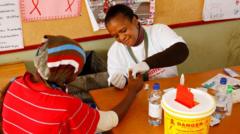
Major Shift in US Health Aid Policy Affects Millions
In a significant development regarding HIV programme funding in South Africa, the United States has announced plans to discontinue its financial support for various initiatives combating the virus. This decision comes at a critical time, as South Africa continues to face one of the most severe epidemiological challenges globally.
The nation currently hosts more than eight million individuals living with HIV—representing the largest HIV-affected population across all countries worldwide. This staggering figure underscores the magnitude of the public health crisis and raises considerable concerns about how the withdrawal of international support may impact ongoing treatment and prevention efforts throughout the country.
Understanding the Current HIV Landscape in South Africa
South Africa's battle against HIV represents one of the most complex and resource-intensive health crises in modern times. The epidemic has deeply affected every aspect of society, from healthcare infrastructure to economic productivity. Despite significant progress in recent decades, the disease continues to claim thousands of lives annually and places an enormous burden on the nation's healthcare system.
The prevalence of HIV in South Africa exceeds that of virtually every other nation, making it a critical focal point for international health organizations and donor nations. The epidemic's reach extends across all demographics, though certain populations face disproportionately higher infection rates. Young women and men in their productive years represent particularly vulnerable segments of the population.
Impact of US Funding Withdrawal on Healthcare Infrastructure
The US government's decision to halt HIV programme funding carries substantial implications for South Africa's healthcare delivery systems. American financial contributions have historically supported critical components of the country's HIV response, including antiretroviral treatment distribution, diagnostic testing capabilities, and workforce development within health facilities.
Without continued American financial backing, South African health authorities face difficult decisions regarding resource allocation and programme sustainability. The withdrawal threatens to create gaps in services that millions of patients depend upon for survival. Healthcare facilities across the nation may struggle to maintain current treatment availability and expand prevention initiatives that have proven effective in reducing new infections.
Challenges for Antiretroviral Treatment Programmes
Antiretroviral treatment programmes represent the backbone of HIV management in South Africa. These comprehensive treatment regimens enable individuals with HIV to achieve viral suppression, maintain healthier lifestyles, and prevent transmission to others. The loss of international financial support jeopardizes the continuity of these programmes.
Treatment adherence and access depend heavily on consistent funding streams that support medication procurement, healthcare worker training, and patient monitoring systems. Disruptions in these areas could result in treatment interruptions, increased drug resistance, and ultimately, preventable deaths among the millions currently on therapy.
Prevention Initiatives Face Uncertain Future
Beyond treatment provision, US funding has supported numerous prevention programmes designed to reduce new HIV infections. These initiatives encompass comprehensive sex education, condom distribution, pre-exposure prophylaxis access, and targeted interventions for high-risk populations. Each represents a crucial component of a comprehensive HIV response strategy.
The discontinuation of such funding threatens to reverse progress made in preventing new infections, potentially triggering an increase in transmission rates among vulnerable communities. Prevention programmes require sustained investment to maintain momentum and reach populations most at risk.
Broader Implications for Global Health Cooperation
This policy shift reflects changing international priorities regarding development aid and health assistance. The decision raises important questions about the future of global health partnerships and the responsibilities of wealthy nations in addressing epidemics that transcend borders.
South Africa must now navigate the complex challenge of maintaining essential HIV health services while seeking alternative funding sources. The government will likely need to increase domestic resource allocation, engage other international donors, and prioritize the most critical programmes to ensure continuity of care for millions of people dependent on these services for their survival and wellbeing.
Looking Ahead: South Africa's Response Strategy
As the nation confronts this significant reduction in external support, South African health officials and policymakers must develop comprehensive strategies to maintain the gains achieved in HIV treatment and prevention. This may involve increased collaboration with other international partners, non-governmental organizations, and private sector stakeholders committed to supporting the HIV response.
The coming months will be critical in determining how effectively South Africa can adapt to this new reality while continuing to serve the millions living with HIV across the country.