
Venezuela Faces Humanitarian Crisis After Twin Earthquakes Strike
Twin earthquakes devastate Venezuela, leaving residents struggling to rescue survivors. Aftershock adds to growing humanitarian emergency across affected region...
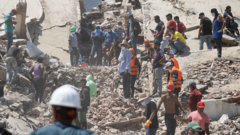
Twin Earthquakes Devastate Venezuela, Creating Unprecedented Crisis
The twin earthquakes that struck Venezuela have created a humanitarian emergency of significant proportions, with communities across affected zones grappling with widespread destruction and desperate rescue operations. The earthquakes, followed by powerful aftershocks, have intensified the anxiety among residents who are already stretched thin trying to locate and assist survivors trapped beneath rubble and debris.
Desperate Rescue Efforts in Affected Communities
In the hardest-hit regions, locals have mobilized spontaneous rescue operations using whatever tools and resources are available to them. Armed with crowbars, pickaxes, and relying heavily on their own physical strength, residents are undertaking dangerous and exhausting efforts to reach survivors buried within collapsed structures. These grassroots rescue attempts highlight the absence of adequate professional emergency response infrastructure in many devastated areas.
Limited Resources, Enormous Challenges
The scale of destruction from the twin earthquakes has overwhelmed local capacity for disaster response. Many communities lack heavy machinery, trained rescue teams, and medical facilities necessary for coordinated relief operations. Residents have been forced to become their own first responders, working tirelessly through day and night shifts to uncover survivors. The physical and emotional toll on these volunteers continues to mount as aftershocks trigger fresh collapses and renewed danger.
Aftershock Effects Amplify Regional Instability
Following the initial twin earthquakes, continued seismic activity in the form of aftershocks has created an atmosphere of uncertainty and fear throughout affected regions. Each tremor threatens to destabilize partially damaged buildings and newly cleared rescue sites, forcing rescue workers and survivors to evacuate repeatedly. This cyclical danger pattern compounds the already challenging conditions residents face while attempting reconstruction and recovery efforts.
Infrastructure Damage and Access Barriers
The twin earthquakes have severely compromised critical infrastructure including roads, water systems, and electrical networks. Damaged transportation routes impede the movement of rescue personnel and humanitarian supplies to isolated communities. Without functioning utilities, survivors face additional hardships related to clean water access, sanitation, and basic living conditions during this critical recovery phase.
Humanitarian Response and Support Gaps
As the humanitarian crisis unfolds following the twin earthquakes, questions emerge regarding the adequacy of national and international support reaching affected populations. Survivors require immediate access to emergency medical care, temporary shelter, clean water, and food supplies. The dispersed nature of damaged communities, combined with infrastructure challenges, creates significant obstacles for relief organizations attempting to deliver aid efficiently.
Community Resilience and Mutual Aid Networks
Despite overwhelming challenges, communities impacted by the twin earthquakes have demonstrated remarkable resilience and solidarity. Neighborhood networks have organized informal mutual aid systems, pooling resources and coordinating rescue efforts. These grassroots movements reflect the determination of Venezuelans to support one another through this crisis, even as they confront profound shortages and physical dangers.
Looking Forward: Recovery and Preparedness
The twin earthquakes highlight Venezuela's vulnerability to seismic events and the urgent need for improved disaster preparedness infrastructure. Long-term recovery will require sustained commitment to rebuilding damaged communities, reinforcing structures against future seismic activity, and establishing robust emergency response systems. International cooperation and technical expertise will be essential as Venezuela works to transform this catastrophe into an opportunity for building greater resilience and disaster readiness across vulnerable regions.